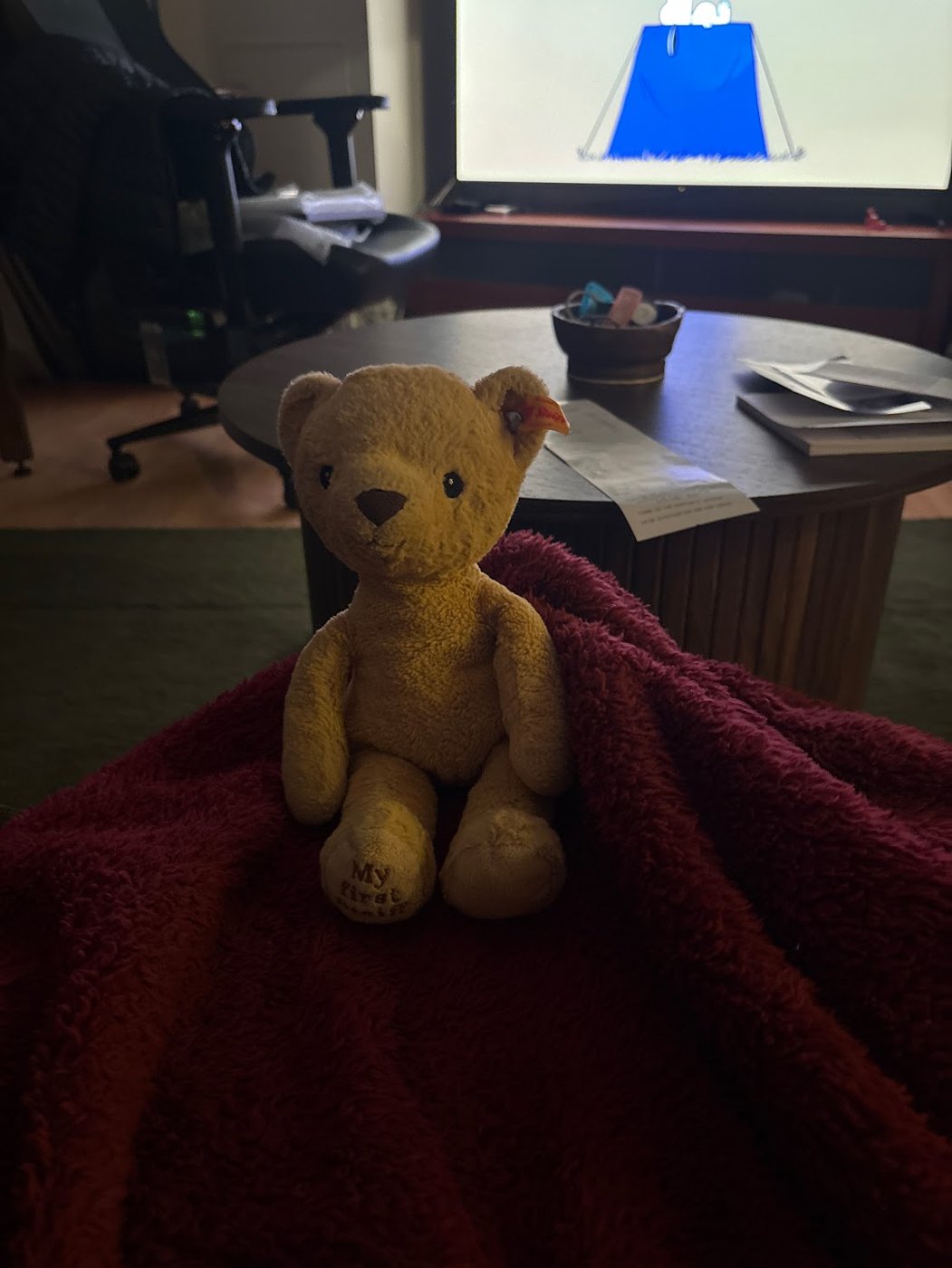
 Supported by Teddy
An independent museum and research companion
The Bear Register
History, makers and the details that matter.
For teddy-bear and Steiff enthusiasts. Explore the early workshops, historical images, maker timelines and ear-button details — with sources to follow and evidence to compare.
Independent research, not a manufacturer endorsement or an authentication service.
Explore the museum rooms
Who made the first teddy bear?
Two workshops, one year, an ocean apart. Turn each card to see the evidence it represents.
Two stories behind one beloved name.
Steiff dates Richard Steiff’s jointed Bear 55 PB to 1902. In Brooklyn, the Michtoms’ bear, inspired by the Roosevelt cartoon, helped give “Teddy’s Bear” its American name. These accounts describe different parts of a wider history; this museum does not settle every question of design, naming or commercial production.
The hunt, November 1902
In November 1902, a Roosevelt hunting story and Berryman’s political cartoon helped create the American story behind “Teddy’s Bear”. The precise sequence is best read through the objects and sources themselves.
Two workshops
In Giengen an der Brenz, the Steiff felt-toy company had been making animals since 1880. In Brooklyn, Rose and Morris Michtom made a plush bear for their shop window. Both narratives remain part of the teddy bear’s early history.
Timeline, 1880–1950
Drag the slider or tap a year to move through the rooms.
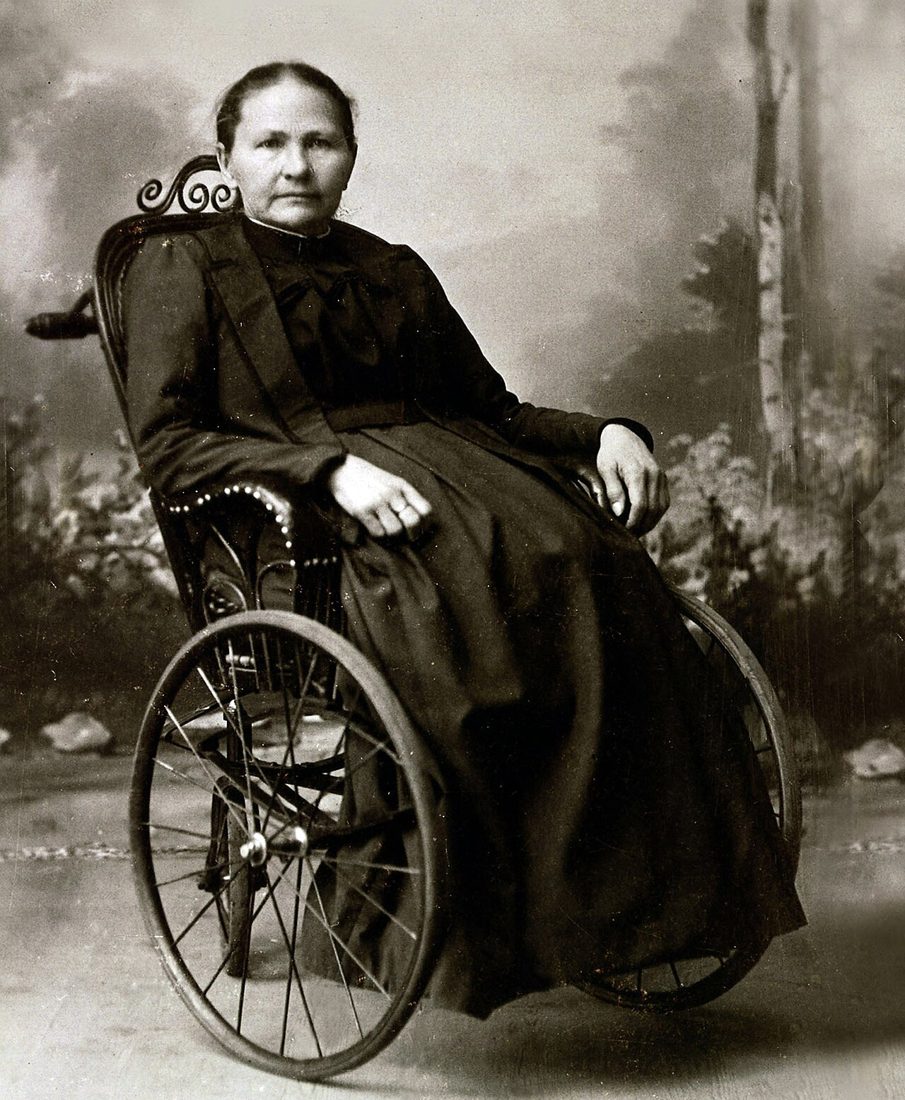
The craze, 1903–1914
The teddy bear became a cultural phenomenon, while makers used design, labels and trademarks to distinguish their work. The objects in this room show one company’s response.
Looking closely at bears
A maker, materials, labels, construction, condition and documented history can each offer a research clue. A photograph alone cannot establish authenticity, age or value.
| Maker | Early period | Research clues |
|---|---|---|
| Steiff (Germany) | From 1902 in the company’s history | Jointing, labels and ear-button details; compare with official references. |
| Farnell (UK) | Early twentieth century | British construction and labels; the real Winnie-the-Pooh was a Farnell bear. |
| Bing and Schuco (Germany) | 1900s–1910s | Novelty, mechanical and miniature forms can be useful starting points. |
| Ideal (USA) | From 1903 | Early American bears are often researched with construction and documentary history. |
| British makers | 1910s–1930s | Labels, materials and family history can all help tell a bear’s story. |
For buying, selling, insurance or authentication, consult an independent qualified specialist. The Register does not offer professional authentication or appraisal.
Photos may reveal a tag, ear button, shape, markings or condition. They cannot prove a maker, date, provenance, ownership or value.
Explore Steiff ear buttons
Ear-button details can be useful dating clues, alongside labels, materials, construction, condition and provenance. Tap a button to explore the guide; its dates are approximate, not a proof.
The Bear Register is not affiliated with, endorsed by or operated by Steiff or any other manufacturer.
Steiff’s own history in Giengen
Steiff’s corporate history traces the company from Margarete Steiff’s felt elephant in 1880, through Richard Steiff’s Bear 55 PB in 1902, to the “Button in Ear” trademark introduced in 1904. Its museum and factory imagery invite a closer look at that company history.
This room summarises Steiff’s published account of its own development. It is included as a source for family research, not as evidence that The Bear Register authenticates a maker or is connected with any manufacturer.
Sources
Every numbered historical note links here. Museum photographs come from Wikimedia Commons; each exhibit’s credit and licence link appears when you open it.
- The History of the Teddy BearMargarete Steiff GmbH
- Richard SteiffWikipedia
- Morris MichtomWikipedia
- Teddy Bear, Ideal Toy Company, c. 1903National Museum of American History
- The teddy bear was once seen as a dangerous influenceSmithsonian Magazine
- Drawing the line in MississippiTheodore Roosevelt Center, Dickinson State University
- Bear factsNursery World
- Original Pooh bear returns to the New York Public LibrarySmithsonian Magazine
- Margarete SteiffWikipedia
Continue the research with other enthusiasts
For signed-in teddy-bear and Steiff enthusiasts who want to compare clues, sources and careful questions.
The Research Room is a text-only, safety-screened place to ask about identification details, Steiff references, history and careful care. It is not an authentication or appraisal service, and every member uses a random public alias.
Meet Teddy
Every museum needs a patron. Ours is Teddy: keeper of the red blanket, and the reason this place exists. Teddy has a Steiff ear button and label, details that are consistent with his maker.
The Bear Register is not affiliated with, endorsed by or operated by Steiff or any other manufacturer.
A few days in Teddy's life
Document a bear
Record photographs, maker details, labels and known history. TeddyAi can suggest visible clues for you to check, or you can enter the details yourself. Records are reviewed before publication; registration is not authentication or appraisal.
- Photograph the details
- Record what you know
- Submit for review
Loading the register…
Please wait while approved records are collected.